
Close
Memory Landscape
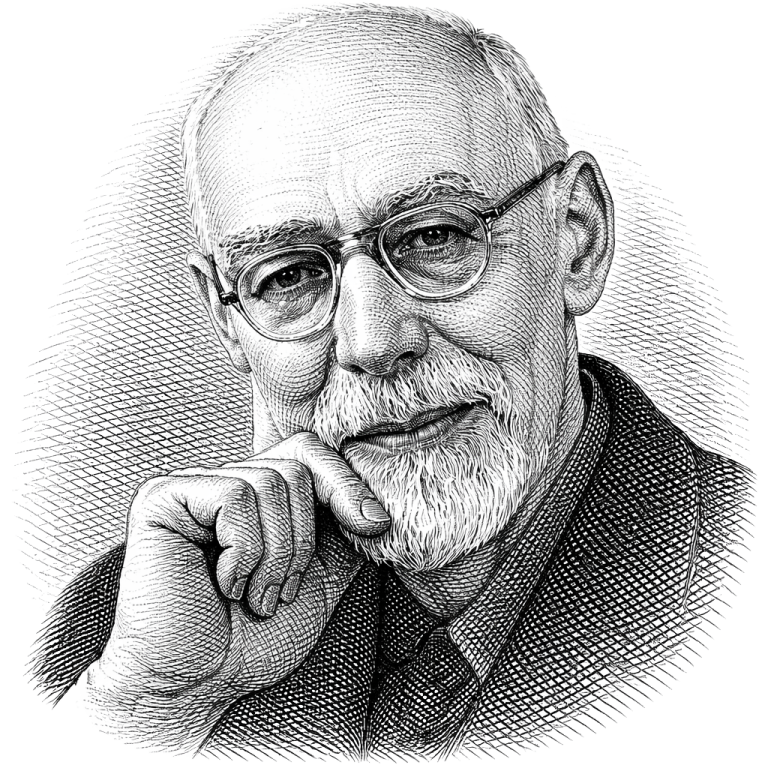
Leo Baeck was born on May 23, 1873, in Lissa, the son of a rabbi. He began his studies at the rabbinical seminary in Breslau before moving to Berlin, where he studied at the College for Jewish Studies and Friedrich Wilhelm University. He received his doctorate in 1895 with a thesis on “Spinoza’s First Influences […]
Leo Baeck was born on May 23, 1873, in Lissa, the son of a rabbi. He began his studies at the rabbinical seminary in Breslau before moving to Berlin, where he studied at the College for Jewish Studies and Friedrich Wilhelm University. He received his doctorate in 1895 with a thesis on “Spinoza’s First Influences on Germany” and then took up a position as rabbi in Oppeln. He returned to Berlin in 1912, where he worked as a community rabbi and taught at the College for Jewish Studies.
Baeck held various offices, including chairman of the General German Rabbinical Association from 1922 and chairman of the Central Welfare Office of Jews in Germany from 1925, and became increasingly central to the Jewish community in Berlin and throughout Germany, thanks in part to his talent for mediating between different points of view.
When, in the face of increasing anti-Semitic persecution, various Jewish associations joined together in 1933 to form the Reich Representation of German Jews, Baeck was unanimously elected president. In this role, he sought both to support the increasingly impoverished Jewish population and to facilitate emigration.
Baeck remained president even after the forced merger of all Jewish institutions into the Reich Association of Jews in Germany, which was henceforth subordinate to the Nazi authorities. Despite having the opportunity to do so, he decided not to emigrate in order to continue supporting German Jews and to enable their escape.
In 1943, he was deported to Theresienstadt but ultimately survived the Holocaust. After the war, he emigrated to London and continued his political activism, serving as president of the World Union for Progressive Judaism and as a professor at Hebrew Union College in the United States, among other positions. He died in London on November 2, 1956.
The Leo Baeck Institute, founded in Jerusalem, New York, and London in 1955, which is dedicated to researching and preserving the heritage of German-speaking Jewry, is named after him.
Sources/Literature:
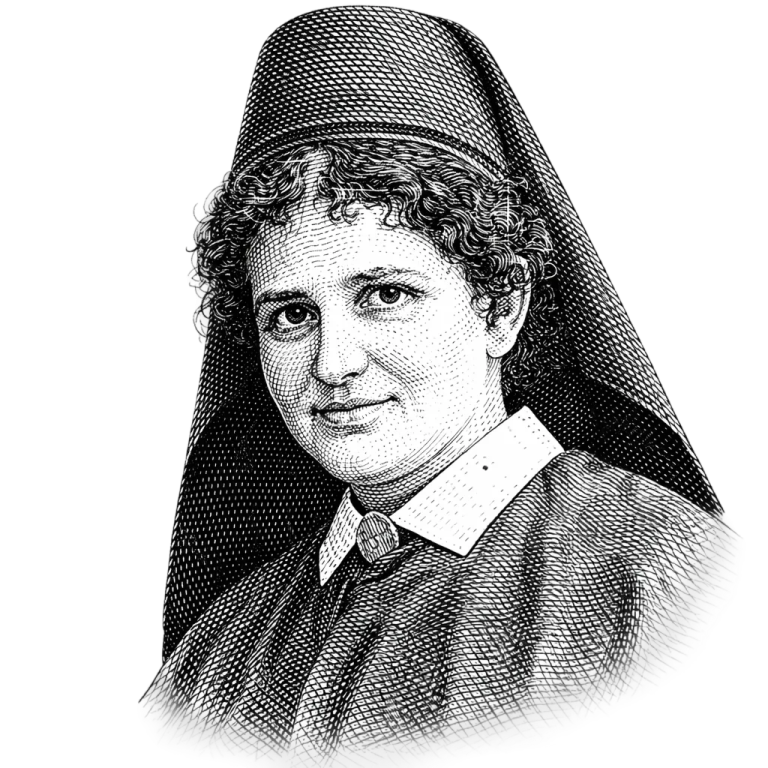
Beate Berger, a nurse and social worker born in Niederbreisig in 1886, initially worked as a saleswoman before choosing to become a nurse in her mid-20s. She completed her training in Frankfurt in 1912 and was a member of the Frankfurt Jewish Nurses’ Association. During World War I, she cared for war wounded as a […]
Beate Berger, a nurse and social worker born in Niederbreisig in 1886, initially worked as a saleswoman before choosing to become a nurse in her mid-20s. She completed her training in Frankfurt in 1912 and was a member of the Frankfurt Jewish Nurses’ Association. During World War I, she cared for war wounded as a surgical nurse for the German Red Cross.
In the 1920s, Beate took over the management of the Jewish orphanage at Auguststraße 14–16 (Berlin) with the support of her sister Else. Her youngest brother Alfred had been in Berlin since 1918 and ran the Workers’ Welfare Office of the Jewish Organizations of Germany at Auguststraße 17. There he offered legal advice to Jewish migrants on issues such as passports, residence permits, taxes, and housing. Her eldest brother Julius was the director of the Cologne City Theater and later secretary general of the World Zionist Organization.
Beate renamed the home “Beit Ahawah” (Hebrew: House of Love) in 1924. After the Nazis came to power, she and her three siblings organized the departure of the children from the home. They founded a new home in Kiryat Bialik near Haifa under the name “Ahawah.” And they were able to save over 100 children from the Shoah. Ahawah still exists today in Israel as a “home and educational institution for orphans and children from broken families.”
Sources/Literature:
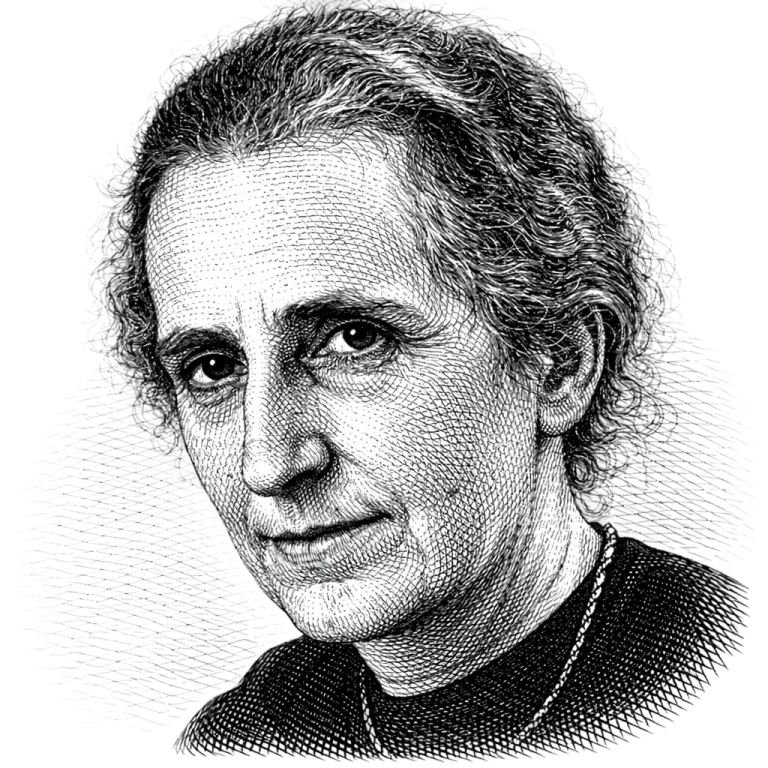
Social scientist Cora Berliner (born September 1, 1923, in Hanover) was the first female state councilor in German history. She completed her studies in mathematics and political science and law in Berlin and Heidelberg in 1916 with a doctorate. She then worked for many years in the Schöneberg city administration and was even elected to […]
Social scientist Cora Berliner (born September 1, 1923, in Hanover) was the first female state councilor in German history. She completed her studies in mathematics and political science and law in Berlin and Heidelberg in 1916 with a doctorate.
She then worked for many years in the Schöneberg city administration and was even elected to the city council. She worked as an economic advisor to the German embassy in London, later returning to Berlin to become a professor of economics.
After the Nazis came to power, she was dismissed from public service because she was Jewish. From then on, she worked with social worker Hannah Karminski in the Jewish Women’s Association and in the welfare system of the Reich Representation of Jews in Germany. In this context, she particularly supported girls and women in emigrating.
On June 26, 1942, she was deported to Minsk, together with other employees of the Reich Association. Shortly afterwards, she was most likely murdered in the Maly Trostinez extermination camp.
Sources/Literature:
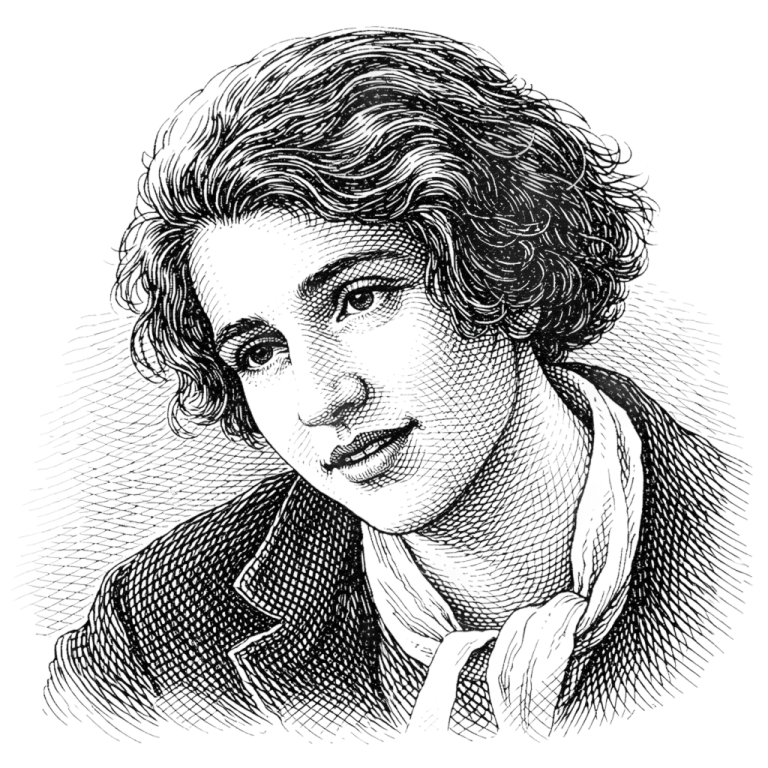
Dora Diamant (born March 4, 1898, in Pabianice, Congress Poland; died August 15, 1952, in London) came from a Hasidic family in Poland. She had several conflicts with her traditional parents and decided to move to Berlin, where she wanted to become an actress. In Berlin’s Scheunenviertel neighborhood, she worked at the Jüdisches Volksheim (Jewish […]
Dora Diamant (born March 4, 1898, in Pabianice, Congress Poland; died August 15, 1952, in London) came from a Hasidic family in Poland. She had several conflicts with her traditional parents and decided to move to Berlin, where she wanted to become an actress. In Berlin’s Scheunenviertel neighborhood, she worked at the Jüdisches Volksheim (Jewish People’s Home), a meeting place and educational center with a Zionist and socialist orientation for Eastern European Jewish children and Jewish adults.
There, she met the writer Franz Kafka in 1923. The Volksheim ran a holiday camp in Müritz on the Baltic Sea, where Kafka was vacationing at the same time. Soon they moved into an apartment in Berlin-Steglitz and Kafka deepened his knowledge of and connection to Judaism together with Dora. Both attended courses at the renowned College of Jewish Studies. Dora spent Kafka’s last year with him and was at his side when he died on June 3, 1924.
It was only after Kafka’s death that her acting career took off. At the same time, she became politically active, joined the Communist Party of Germany (KPD), and married Lutz Lask, editor-in-chief of the newspaper Die Rote Fahne. In 1932, their daughter Franziska Marianne was born. At the beginning of the Nazi dictatorship, the Gestapo (secret police of the Nazi regime) raided Lask’s and Diamant’s apartment. It is believed that some of Kafka’s writings and letters, which Dora Diamant may have kept, were confiscated. They are still being searched for in the German Federal Archives today.
Lask and Diamant fled to the Soviet Union, where Lask disappeared into the Gulag for years as a victim of Stalinist purges. In the last stage of her life, Dora managed to flee to Great Britain with her daughter in 1938. There she was strongly committed to preserving Yiddish culture and language before she died at the age of 54.
Sources/Literature:
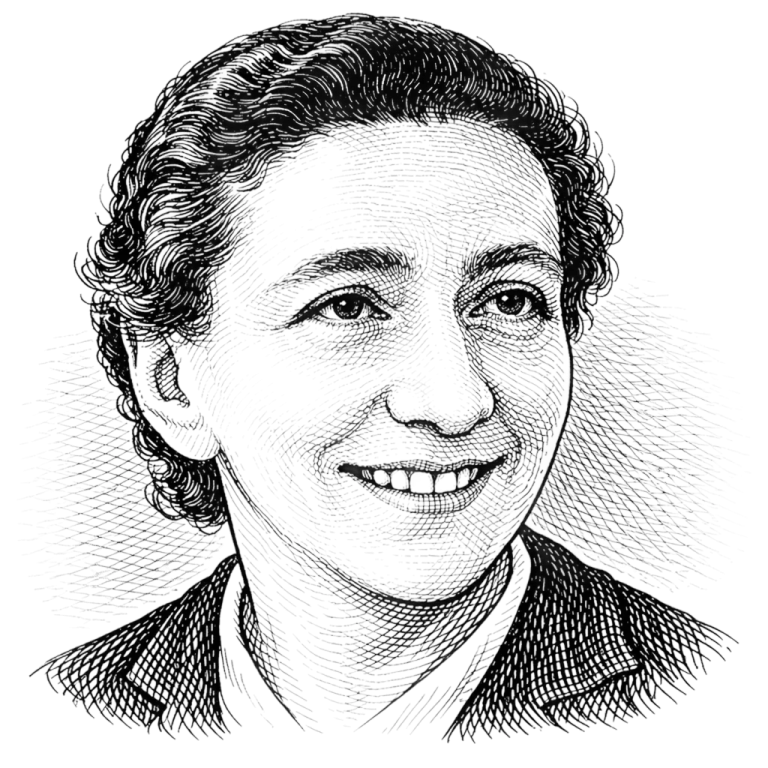
The educator Paula Fürst, born on August 6, 1894, in Glogau, lived with her mother in Berlin from 1906 onwards. She studied history and French and learned about Montessori education at university. She liked the idea of prioritizing the individual development of children and became the head of the first Montessori class in Wilmersdorf (1926). […]
The educator Paula Fürst, born on August 6, 1894, in Glogau, lived with her mother in Berlin from 1906 onwards. She studied history and French and learned about Montessori education at university. She liked the idea of prioritizing the individual development of children and became the head of the first Montessori class in Wilmersdorf (1926).
When the Nazi regime came to power (1933), Montessori was rejected as “Jewish pedagogy.” It did not fit in with their values of uniformity and absolute obedience. Paula Fürst was dismissed from her job as a teacher and took over the management of the private Theodor Herzl School, where Jewish children were sent to escape exclusion in public schools. When private schools were also banned in 1938, she became head of the school department of the Reich Association of Jews in Germany. Here she met her last partner, social worker Hannah Karminski.
Together with her, Paula Fürst then organized escape routes for Jewish children by train to London. Over 10,000 children were saved this way. She herself returned to Germany out of a sense of duty to the Jewish children who had been left behind. In June 1942, she was deported to Minsk and presumably murdered there.
Since 2015, a Stolperstein in front of her apartment building on Kaiserdamm has commemorated her courage and her story.
Sources/Literature:
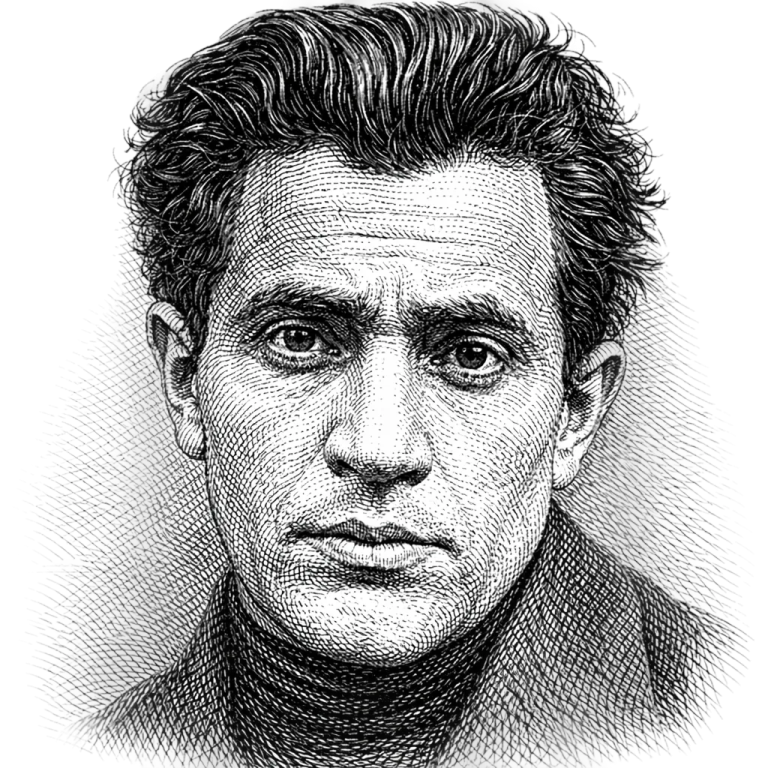
Alexander Granach (born Jessaja Szajko Gronach) was born on April 18, 1890, in Werbowitz (Eastern Galicia) and came to Berlin in 1906 as a journeyman baker. Here he became increasingly interested in Berlin’s literary and Yiddish theater scene. After his first appearances in small Yiddish theaters in the Scheunenviertel, he was later accepted by Max […]
Alexander Granach (born Jessaja Szajko Gronach) was born on April 18, 1890, in Werbowitz (Eastern Galicia) and came to Berlin in 1906 as a journeyman baker. Here he became increasingly interested in Berlin’s literary and Yiddish theater scene.
After his first appearances in small Yiddish theaters in the Scheunenviertel, he was later accepted by Max Reinhardt into his acting school at the Deutsches Theater and became part of the ensemble. However, his acting career, in which he made a name for himself with his expressionistic style, was interrupted when he was drafted into the military during World War I.
After the war, he initially performed in Munich and, from 1921, also returned to Berlin to perform at the Lessing Theater and Schauspielhaus. He became popular in political theater and as the “King of the Eastern Jews” in Yiddish theater, and from 1919 onwards he also became known to a wider audience as a film actor in silent films such as Nosferatu and later in sound films.
Because his Jewish heritage and political activism meant he was at risk of being arrested by the Gestapo, Alexander Granach was forced to flee in 1933. He first went to Vienna, then Poland, and finally the Soviet Union. He remained active as an actor and politician everywhere he went, which led to his temporary arrest in 1937 on suspicion of espionage. Fortunately, he obtained a visa for Switzerland and ultimately emigrated to the United States in 1938.
Here he worked primarily as a film actor. From 1944 onwards, he finally found his way into the Broadway scene, where he worked until his death in 1945.
Sources/Literature:
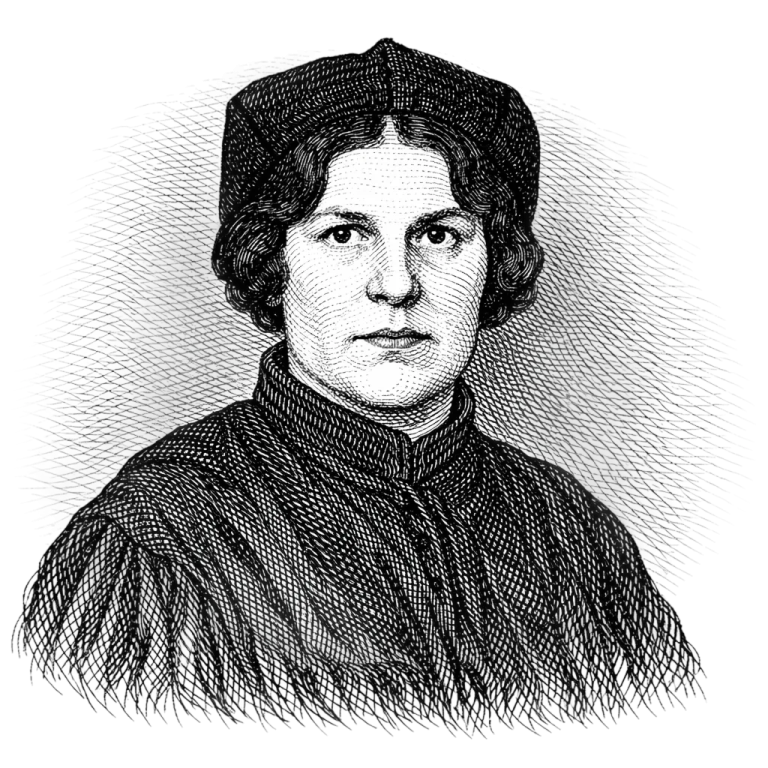
The world’s first female rabbi, Regina Jonas, was born on August 3, 1902, in Berlin and grew up in poor circumstances in the Scheunenviertel. Due to the early death of her father, she had to take on a lot of responsibility in her family as a child. She studied at the world-famous College of Jewish […]
The world’s first female rabbi, Regina Jonas, was born on August 3, 1902, in Berlin and grew up in poor circumstances in the Scheunenviertel. Due to the early death of her father, she had to take on a lot of responsibility in her family as a child.
She studied at the world-famous College of Jewish Studies on what is now Tucholskystraße. In her written halachic thesis (an examination of the religious laws of Judaism), she addressed the question “Can women hold rabbinical office?” and wrote in her conclusion: “Apart from prejudice and unfamiliarity… there is almost nothing in halacha that forbids a woman from holding rabbinical office.”
Even after her ordination in 1935, she was not universally recognized. She often gave speeches and lectures, but was not allowed to take on many other functions, although, according to a letter from Max Brasch to the synagogue board, she was celebrated by many community members for her knowledge and abilities: “We cannot understand why a woman as a Rabbi with such oratorical talent and profound knowledge should not be allowed to preach from the pulpit of the New Synagogue.”
On November 6, 1942, she was deported with her mother to Theresienstadt, where she continued to practice her spiritual profession. On October 12, 1944, she was sent to Auschwitz and murdered there.
Sources/Literature:
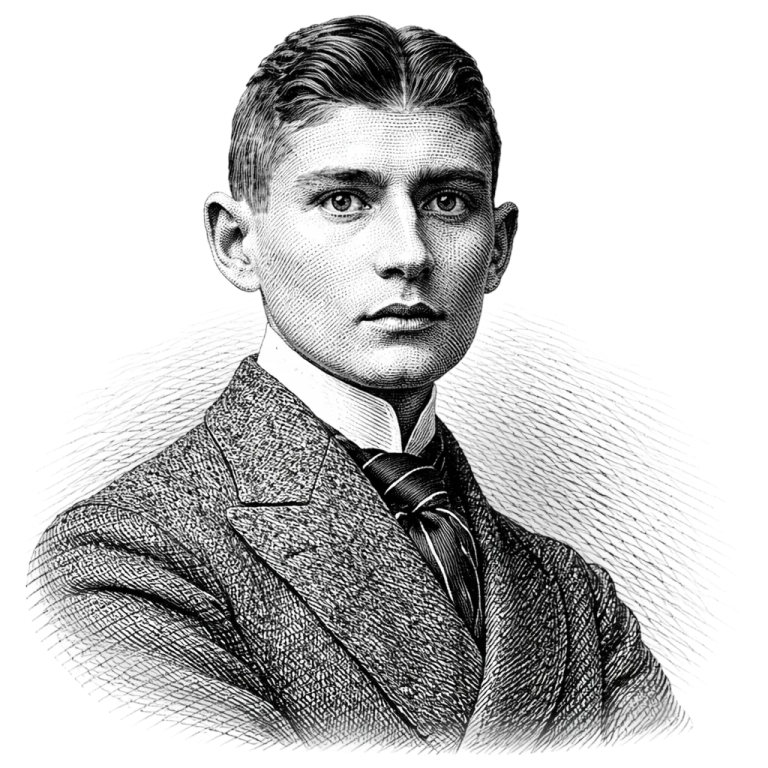
he writer Franz Kafka was born on July 3, 1883, in Prague. He had a significant influence on 20th-century literature with his often absurd, enigmatic, and eerie stories. Today, this style is referred to as Kafkaesque. Kafka grew up in a business-oriented family; his father owned a haberdashery shop. After studying law, he began a […]
he writer Franz Kafka was born on July 3, 1883, in Prague. He had a significant influence on 20th-century literature with his often absurd, enigmatic, and eerie stories. Today, this style is referred to as Kafkaesque.
Kafka grew up in a business-oriented family; his father owned a haberdashery shop. After studying law, he began a career as a civil servant and wrote only in his spare time. He was inspired by his visits to the theater, cabaret, and cinema, by his travels, and by his fascination with the technical innovations of the time.
In 1912, Kafka published his first book and wrote “The Judgment.” He also met Felice Bauer, to whom he was briefly engaged and whose failed relationship inspired him to write his most famous work, “The Trial.” His experiences during World War I, in which he was not drafted, also influenced this work.
Between 1915 and 1923, he published his stories “The Metamorphosis” and “Before the Law,” wrote the autobiographical work “Letter to His Father,” the novel “The Castle,” and the story “A Hunger Artist.”
On September 24, 1923, Franz Kafka finally moved to Berlin. Months earlier, he had fallen in love with Dora Diamant, an aspiring Jewish actress from Poland who worked at the “Jüdisches Volksheim” (Jewish People’s Home) in Berlin’s Scheunenviertel. The two moved into an apartment together in Steglitz and studied at the College of Jewish Studies (the building is now the Leo Baeck House at Tucholskystraße 9). At that time, Kafka was seriously ill with tuberculosis and could only leave the apartment on good days. Nevertheless, he attended courses in Hebrew language and Jewish history.
Franz Kafka died on June 3, 1924. In his will, he stipulated that all his writings should be destroyed, but his friend Max Brod continued to publish his works. During the Nazi era, his books were burned, and his three sisters were murdered in concentration camps.
Sources/Literature:
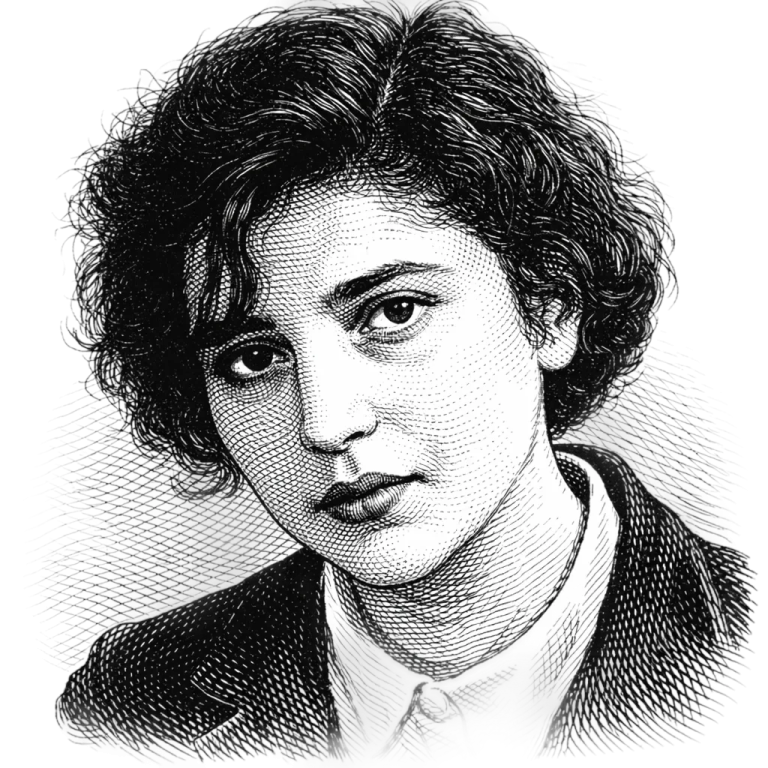
Mascha Kaléko was a new luminary of the literature scene of Berlin during the Weimar Republic, until the Nazi regime put an end to her young career. Born in Galicia in 1907, she came to Germany with her parents as a war refugee and lived in Berlin’s Scheunenviertel district from 1918. Mascha initially worked as […]
Mascha Kaléko was a new luminary of the literature scene of Berlin during the Weimar Republic, until the Nazi regime put an end to her young career. Born in Galicia in 1907, she came to Germany with her parents as a war refugee and lived in Berlin’s Scheunenviertel district from 1918. Mascha initially worked as a secretary in the workers’ welfare office of the Jewish community at Auguststraße 17, where she met her first husband Saul Kaléko.
Her first work Das lyrische Stenogrammheft (1933) was a great success. The young couple moved to Charlottenburg. Mascha was quickly regarded as one of the new talents of the Berlin literary scene, which met regularly in the Romanisches Café in Charlottenburg.
But the Nazis soon put an end to this. The marriage fell apart. Saul moved to the British Mandate of Palestine, Mascha married the composer and musicologist Chemjo Vinaver, but kept the surname Kaléko as her artist’s name. In 1938, Mascha was able to emigrate to the USA with Vinaver and her young son and moved into an apartment on Minetta Street in Manhattan. She later moved to Jerusalem with Vinaver.
After the war, she found a readership in Germany once again. In 1974, she visited Berlin for the last time and gave a lecture at the American Memorial Library in Kreuzberg in September. On January 21, 1975, the poet died of stomach cancer.
Sources/Literature:
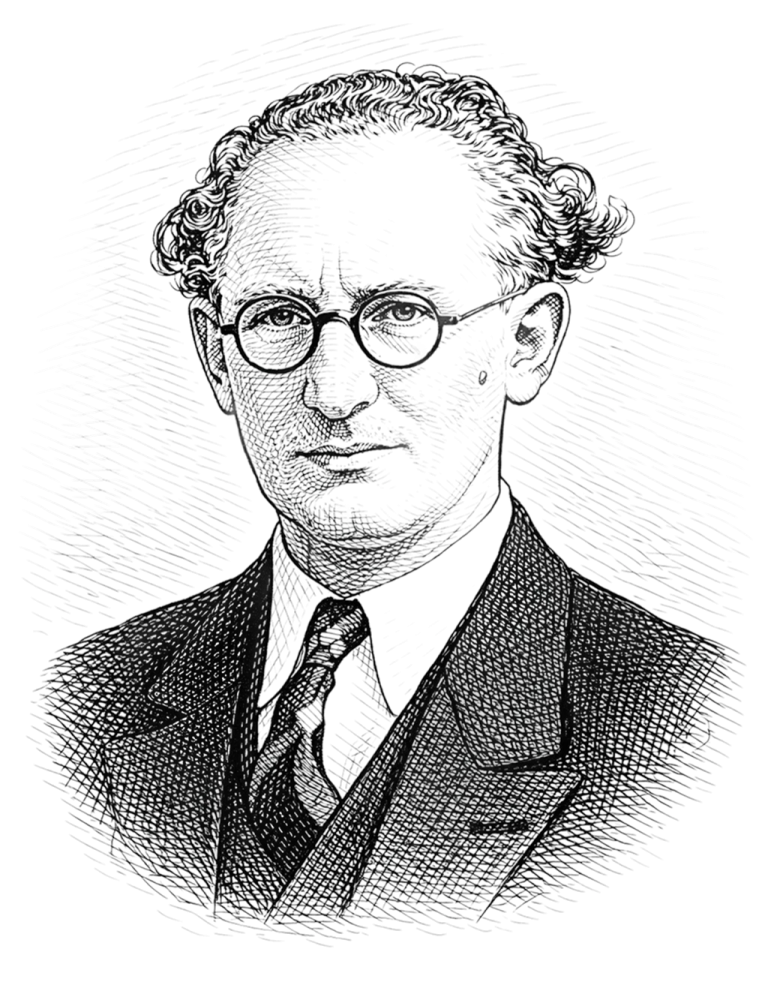
The name Kaléko is well-known because of Saul’s famous first wife, the poet Mascha Kaléko, who kept his name as a pen name even after their divorce. Saul, like Mascha, was one of many Jewish migrants from Eastern and Central Europe who fled to Germany at the beginning of the 20th century to escape war […]
The name Kaléko is well-known because of Saul’s famous first wife, the poet Mascha Kaléko, who kept his name as a pen name even after their divorce.
Saul, like Mascha, was one of many Jewish migrants from Eastern and Central Europe who fled to Germany at the beginning of the 20th century to escape war and persecution. He came from Eišiškės (today on the border between Lithuania and Belarus) and came to Berlin to continue his studies.
Here he became secretary of the Association of Jewish Student Organizations, which organized scholarships and support for its destitute members, among other things. The office was located at Auguststraße 17 – behind the New Synagogue – where Mascha also worked for the workers’ welfare office of the Jewish community.
Saul earned a doctorate in economics, became politically active, wrote for Jewish publications and wrote the textbook Hebräisch für Jedermann (Hebrew for Everyone). The Kalékos achieved impressive social advancement and moved from the Scheunenviertel to Charlottenburg. However, the Nazi dictatorship put them under massive pressure. They divorced in 1938. Saul emigrated to Palestine and from then on called himself Shaul Barkali. He spent the rest of his life in Israel.
Sources/Literature:
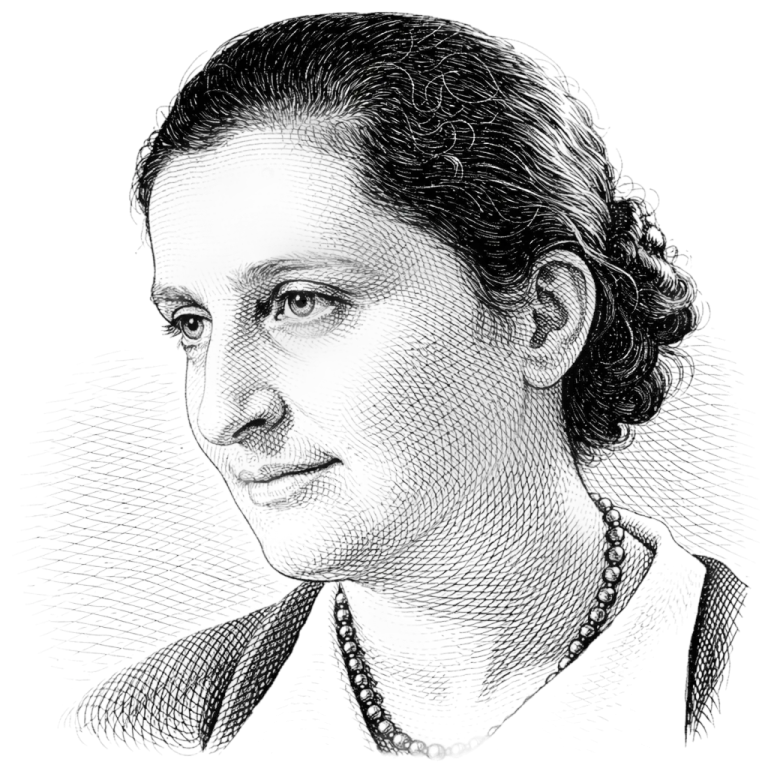
Hannah Karminski was born on April 24, 1897, in Berlin and grew up on Oranienburger Straße near the New Synagogue. After training as a kindergarten teacher and social worker in Berlin and Hamburg, she initially worked at a girls’ club in Frankfurt am Main. There she met the women’s rights activist Bertha Pappenheim, through whom […]
Hannah Karminski was born on April 24, 1897, in Berlin and grew up on Oranienburger Straße near the New Synagogue. After training as a kindergarten teacher and social worker in Berlin and Hamburg, she initially worked at a girls’ club in Frankfurt am Main. There she met the women’s rights activist Bertha Pappenheim, through whom she came to the Jewish Women’s Association## and to Berlin.
Here she became involved in the Blätter des Jüdischen Frauenbundes für Frauenarbeit und Frauenbewegung (Journal of the Jewish Women’s Association for Women’s Work and the Women’s Movement) and took over the leadership of the Jewish Women’s Association in 1933. When Jewish organizations were banned in 1938, she became active in the Reich Representation of German Jews and, together with Cora Berliner, helped Jews to leave the country. Together with her partner Paula Fürst, she also organized the rescue of Jewish children to England.
In November 1942, she was arrested by the Gestapo (secret police of the Nazi regime), deported to Auschwitz, and murdered there.
Today, a Stolperstein in front of her apartment building in Berlin Mitte commemorates her.
Sources/Literature:
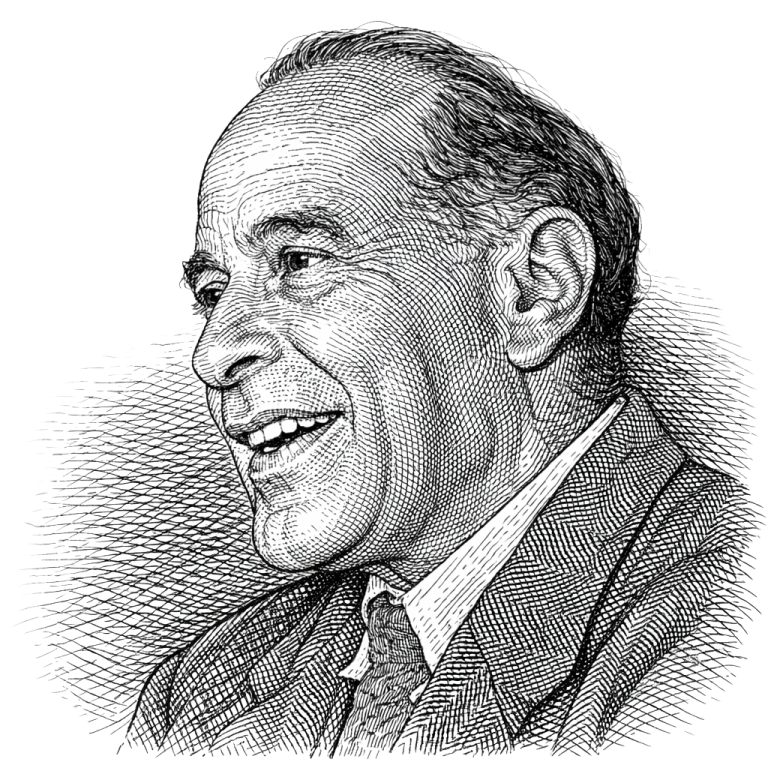
The physician and educator Siegfried Lehmann was born on January 4, 1892, in Berlin. After several stops along the way, he began studying medicine at the Albert Ludwig University in Freiburg im Breisgau in 1913. He continued his studies in Frankfurt an der Oder and Berlin, earning his doctorate in 1920 with a thesis entitled […]
The physician and educator Siegfried Lehmann was born on January 4, 1892, in Berlin. After several stops along the way, he began studying medicine at the Albert Ludwig University in Freiburg im Breisgau in 1913. He continued his studies in Frankfurt an der Oder and Berlin, earning his doctorate in 1920 with a thesis entitled “On the Prognosis of Mental Development in Childhood Epilepsy.”
As a student, Siegfried Lehmann became increasingly interested in his Jewish identity and the ideas of Zionism, visiting Palestine for the first time in the summer of 1914. Two years later, he founded the “Jüdisches Volksheim” (Jewish People’s Home) in the Scheunenviertel district to support Jews from Eastern Europe with social services upon their arrival in Berlin. Here, young people could learn basic skills in crafts, for example.
Due to his special commitment to children and young people, the doctor received an offer from the Jewish National Council of Lithuania in 1921 to set up a children’s home in Kaunas. Here, based on his socio-educational approach and together with his first wife Annie Lehmann, he cared for around 200 Jewish orphans.
In the 1920s, he decided to pursue further education in pedagogy and eventually went to Palestine with a youth group from the children’s home and his second wife, the physician Rebecca Klawanska, to found the Ben Schemen youth kibbutz. Starting in 1932, around 500 children and young people came here in cooperation with Recha Freier.
Sources/Literature:
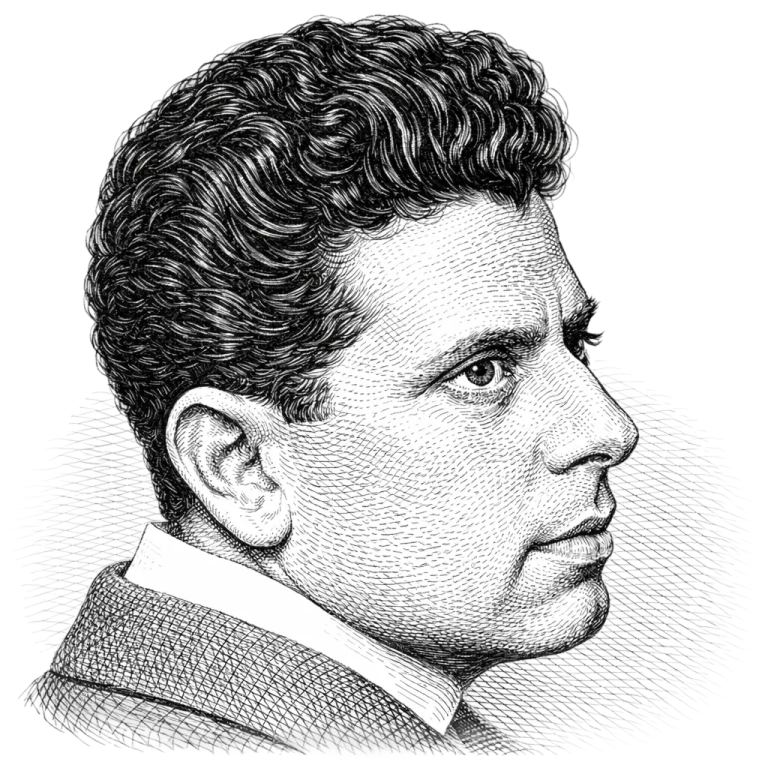
The actor, theater director, and manager Max Reinhardt (real name Max Goldmann) was born on September 9, 1873, into a Jewish family in Lower Austria. He first trained in banking before deciding to devote himself to acting. In 1894, he moved to Berlin to start working as an actor at the Deutsches Theater. Soon after, […]
The actor, theater director, and manager Max Reinhardt (real name Max Goldmann) was born on September 9, 1873, into a Jewish family in Lower Austria. He first trained in banking before deciding to devote himself to acting.
In 1894, he moved to Berlin to start working as an actor at the Deutsches Theater. Soon after, he founded the association Die Brille and the famous cabaret Schall und Rauch. Between 1900 and 1933, he directed several theaters in Berlin, including the Deutsches Theater, the Großes Schauspielhaus, and Volksbühne, which he shaped with his visionary ideas. He also worked in Vienna for a while and co-founded the Salzburg Festival, where he staged well-known performances until 1937.
After the Nazis came to power, he initially fled to Austria. After the Anschluss in 1938, he was forced to emigrate to the USA, where he opened an acting school in Hollywood.
Sources/Literature:
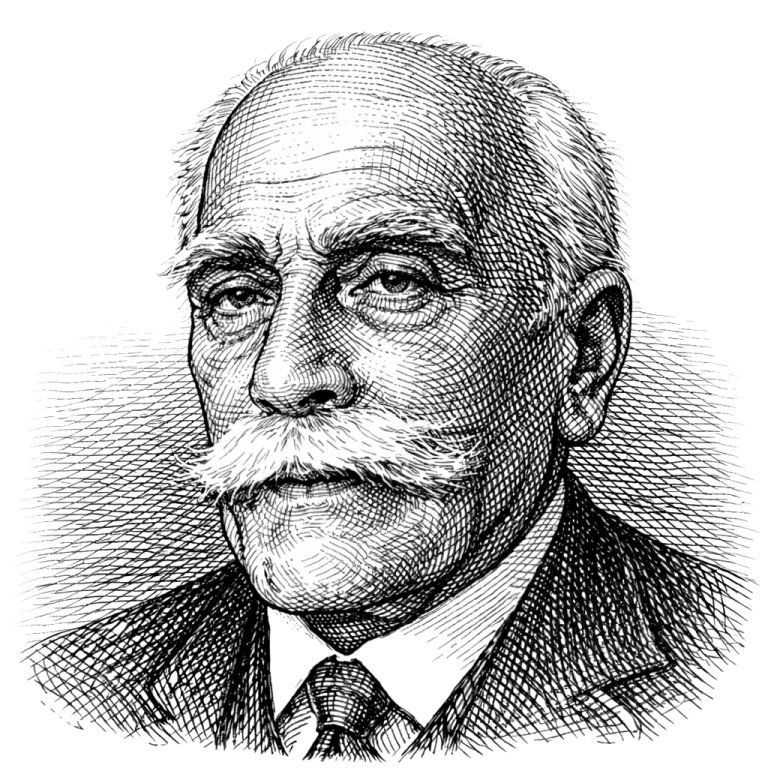
Jacob Teitel was born on November 15, 1850, in the Russian Empire. He was a lawyer and, before the Bolshevik Revolution in 1917, the only Jewish judge in Russia. Throughout his life, he represented the interests of people from the poorest social classes. During the Russian Civil War, he emigrated to Berlin as a political […]
Jacob Teitel was born on November 15, 1850, in the Russian Empire. He was a lawyer and, before the Bolshevik Revolution in 1917, the only Jewish judge in Russia. Throughout his life, he represented the interests of people from the poorest social classes.
During the Russian Civil War, he emigrated to Berlin as a political refugee and founded the “Association of Russian Jews in Germany.” He also founded a children’s group that brought together children from different religious and social backgrounds. On December 23, 1923, the children of the “Weltvereinigung der Kinderfreunde” held their first meeting at Gormannstraße 3 on the edge of the Scheunenviertel district.
The children were looked after by an educational team that gave them a great deal of freedom in organizing concert and theater evenings and other events as part of progressive educational concepts. The future poet Mascha Kaléko and her first husband Saul Kaléko worked here, as did the child psychologist Fischl Schneersohn.
Frida Ogler, a member of the association, said to Teitel: “We feel completely free here … and feel like brothers and sisters.” The association existed until the Nazis came to power in 1933, when Teitel emigrated to Paris, where he died in 1938.
Sources/Literature:
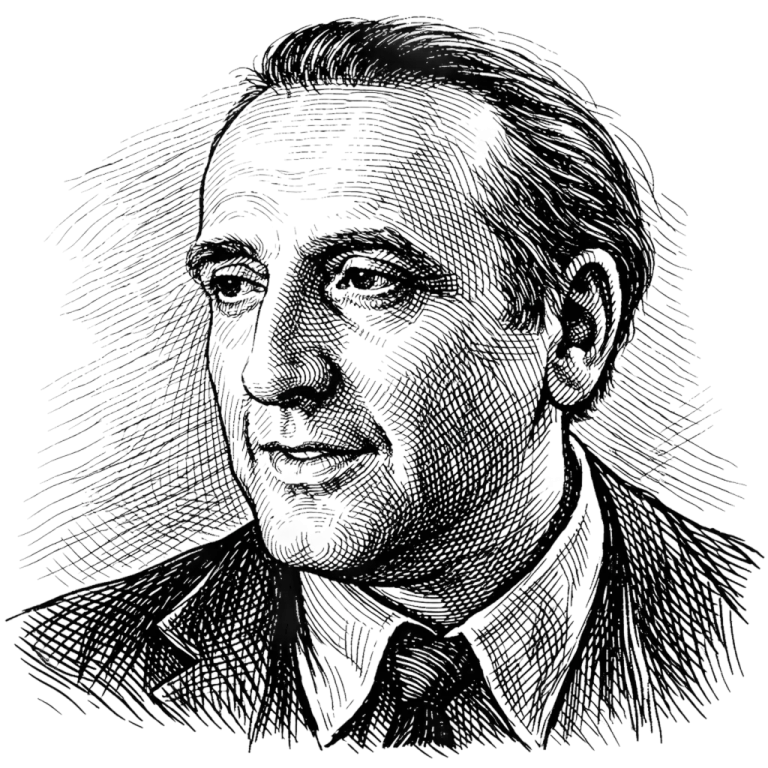
Chemjo Vinaver (born July 10, 1900 in Warsaw, Congress Poland) came from a prominent Warsaw Hasidic family. He studied music in Warsaw and Berlin and initially became choirmaster of the Berlin Friedenstempel in Halensee and later a choirmaster of the Jewish Community of Berlin. At the beginning of the Nazi era, he founded the a-cappella […]
Chemjo Vinaver (born July 10, 1900 in Warsaw, Congress Poland) came from a prominent Warsaw Hasidic family. He studied music in Warsaw and Berlin and initially became choirmaster of the Berlin Friedenstempel in Halensee and later a choirmaster of the Jewish Community of Berlin.
At the beginning of the Nazi era, he founded the a-cappella male choir Hanigun, which was mainly made up of Jewish singers who had been barred from working in German opera houses. Vinaver brought much of his family’s Hasidic musical traditions into his work as a choirmaster. He was also interested in the music of Jewish communities scattered throughout the world and performed not only classics of German synagogue music with his choir, but also songs from Yemenite Judaism and the various Sephardic musical traditions. He also wrote numerous essays and books on the history of Jewish music and its various traditions.
Vinaver was also the second husband of the famous Berlin poet Mascha Kaléko. In 1938, they went into exile in the USA with their son Steven. Vinaver continued to work as a composer in New York and later in Israel, where he died in 1973.
Sources/Literature:
Gertrud Weil, née Welkanoz (born 1888 in Berlin) belonged to the circle of young German Jews that formed around the medical student Siegfried Lehmann. Together they founded the Jüdisches Volksheim (Jewish People’s Home) at Dragonerstraße 22 (now Max-Beer-Straße 5) in the Scheunenviertel in the Spandauer Vorstadt in 1916. It was a kind of youth club […]
Gertrud Weil, née Welkanoz (born 1888 in Berlin) belonged to the circle of young German Jews that formed around the medical student Siegfried Lehmann.
Together they founded the Jüdisches Volksheim (Jewish People’s Home) at Dragonerstraße 22 (now Max-Beer-Straße 5) in the Scheunenviertel in the Spandauer Vorstadt in 1916. It was a kind of youth club for Eastern European Jewish children, but also much more than that. According to Gertrud, it was “a place where Jewish life found physical expression, because Western and Eastern Jews, the educated and the ignorant, people of all ages met here”. Through contact and cooperation on an equal footing, a “happy mutual assimilation developed there, as much our precarious existence allowed it.”
Although Gertrud was the director of the Volksheim for the longest period of time and published several essays about its work in various publications, her contribution to the Volksheim is often only mentioned in passing or completely ignored. Yet contemporaries such as Gershom Scholem said of her that she was its “undisputed central figure.” According to Scholem: “She seemed to me to be the only trained social worker, but I was wrong, because she was an employee of a large bank by profession, and in fact there was not a single professional employee among the volunteers. But their combined knowledge was nothing compared to the tremendous influence, even magic, that [Gertrud] exerted on all the girls there.” Today, there is a memorial plaque at the former location of the Volksheim, which does not even mention Gertrud.
Together with her husband Ernst Weil, she was able to flee from the National Socialists to England, where she spent the rest of her life.
Sources/Literature:
We use cookies to improve your user experience.
You can manage your settings here.