Jewish worlds in the heart of Berlin before the Nazi dictatorship.
Dive into the history
The History of Jewish Berlin in the Spandauer Vorstadt and the Scheunenviertel
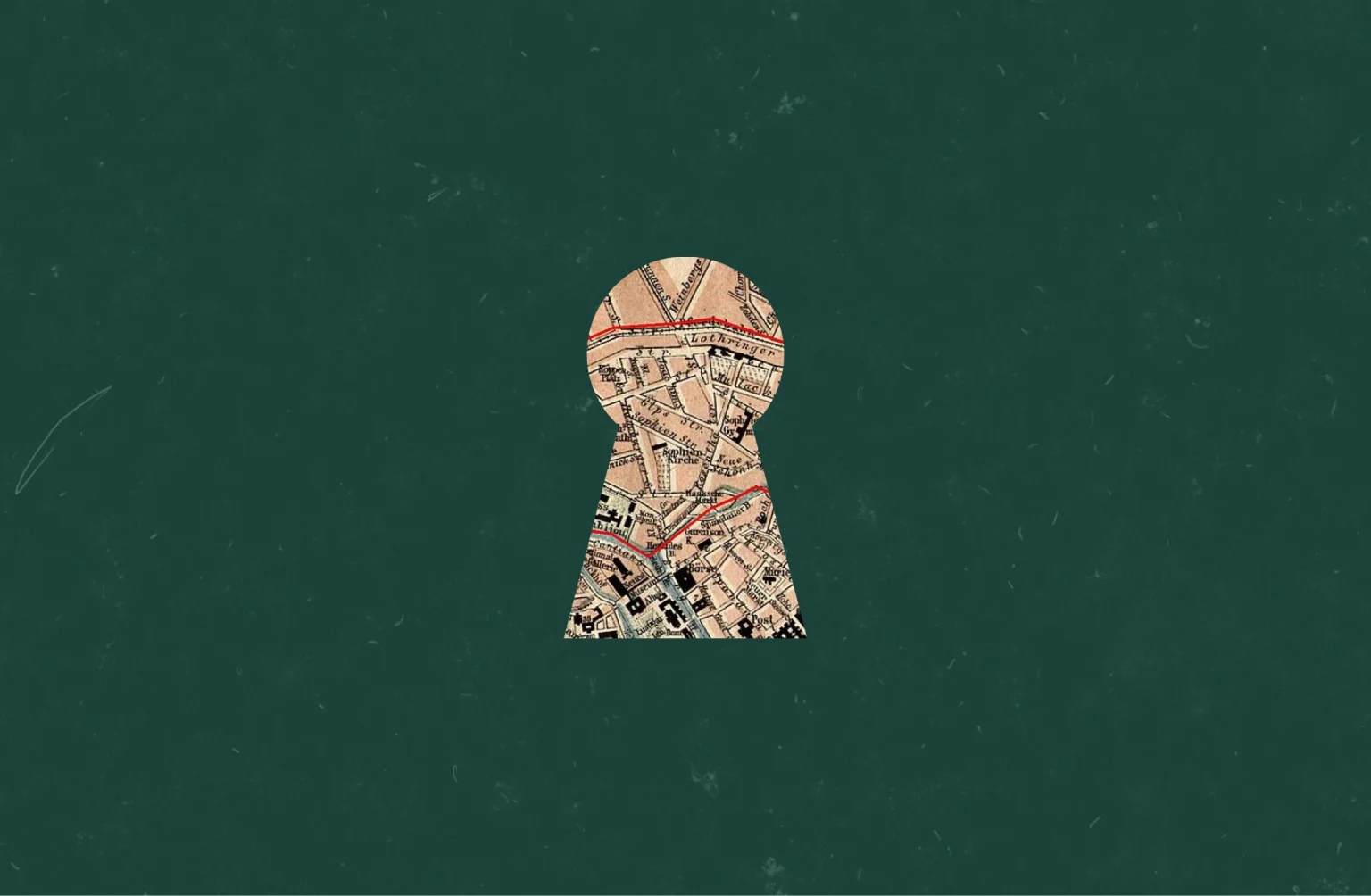
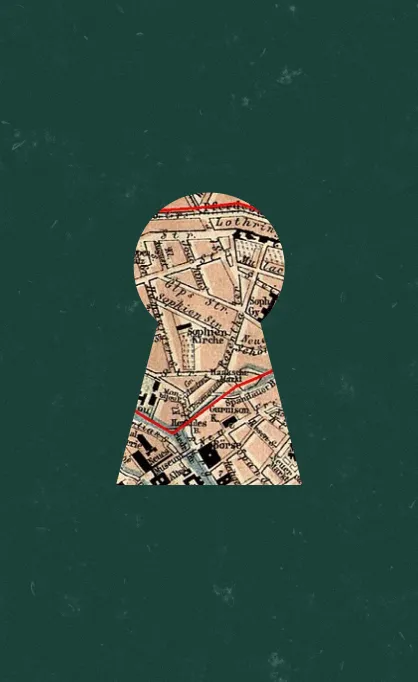
Today, little of it can still be seen, but the Spandauer Vorstadt and the Scheunenviertel were once a thriving center of Jewish life in Berlin. The Spandauer Vorstadt owes its name to the Spandauer Gate, a part of Berlin’s fortifications in the 17th century. Today, the route of the S-Bahn between Hackescher Markt and Alexanderplatz roughly follows its former path.
The area north of the Spandauer Gate, which lay outside the city, was called Spandauer Vorstadt.
What does all this have to do with the Jewish population of Berlin?
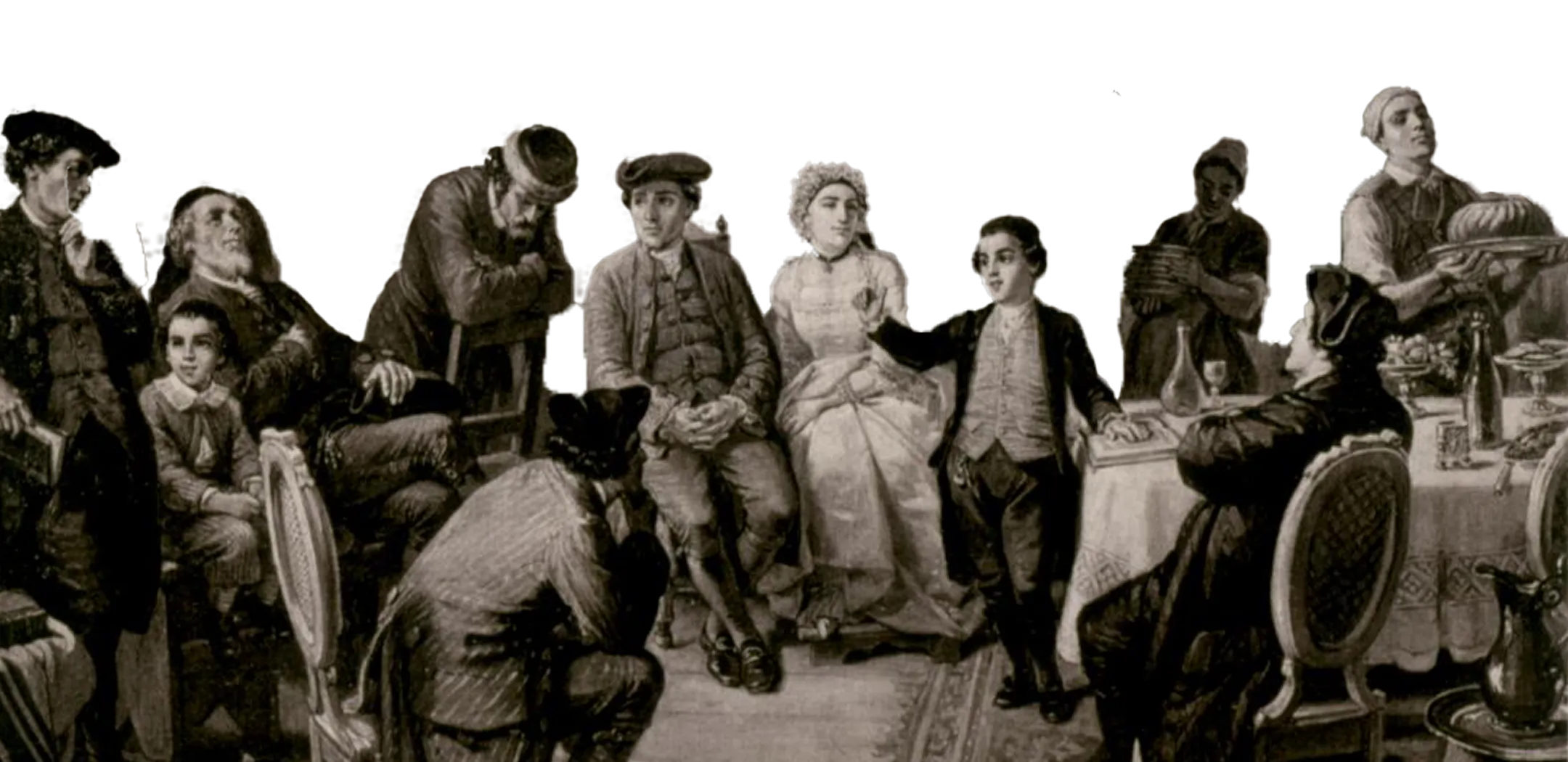
Due to violence and expulsions, there was no continuous Jewish community in Berlin for a long time. In 1671, several Jewish families who were on the verge of being expelled from Vienna were invited to Brandenburg-Prussia.
Since they were forbidden to build a synagogue, the first Jewish institution in the Spandauer Vorstadt was a cemetery, which the families established shortly after their arrival. The area was sparsely populated and lay outside the city wall, making it particularly suitable as the site of Berlin’s first Jewish cemetery. Its remains can still be found today on Große Hamburger Straße.
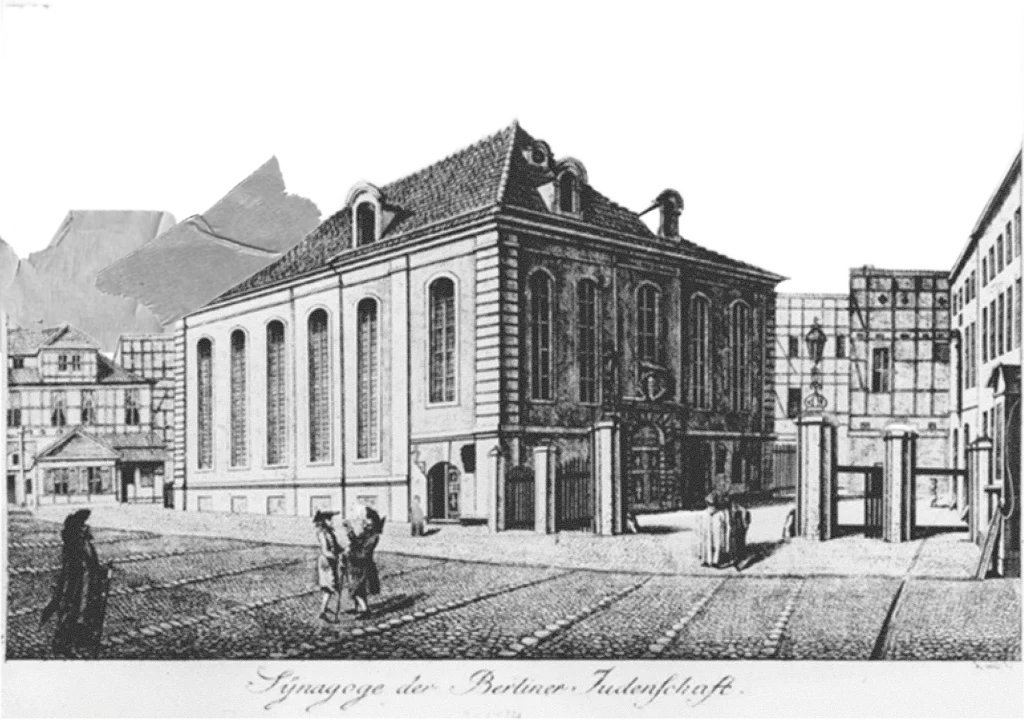
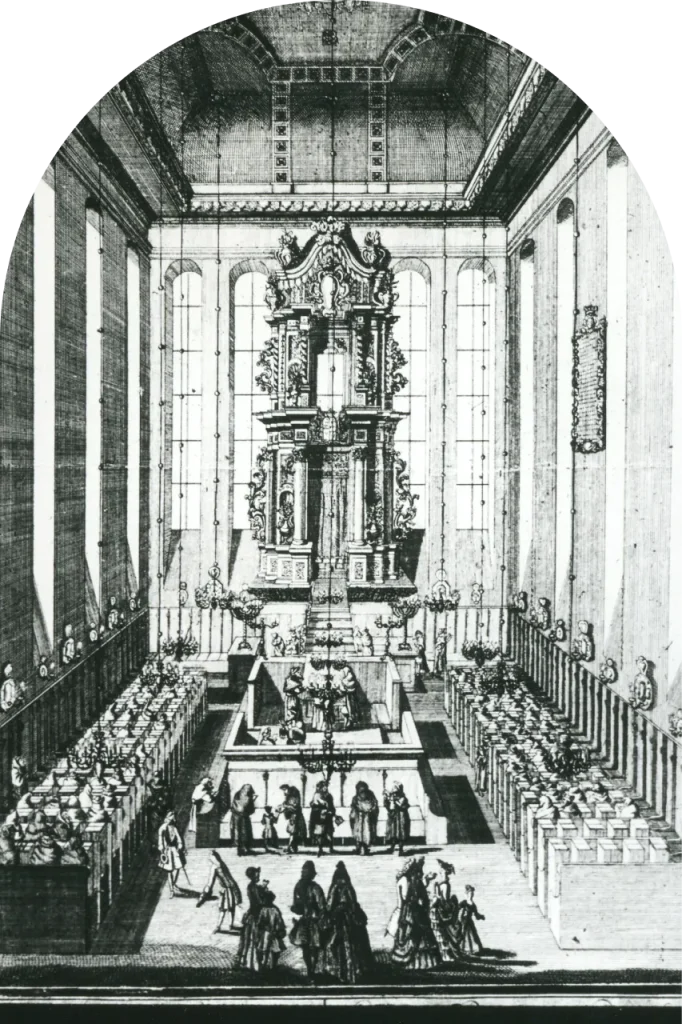
A synagogue was not permitted until 1714, built on Heidereutergasse. It strengthened the connection between this part of the city and the Jewish population.
Berlin becomes a magnet for Jews
Many Berlin Jews lived at the northern edge or just outside the city wall. As the overall population of Berlin grew, so did that of the Spandauer Vorstadt, which quickly became an integral part of the city. From the mid-18th century onward, the decisive city boundary was the excise wall, which formed the northern border of the Spandauer Vorstadt — today’s Torstraße.
From the mid-19th century, industrialization and the emancipation of Jews in Prussia drew increasing numbers of Jewish people to Berlin. Now as citizens, they were for the first time allowed to freely choose their place of residence, and Berlin’s industrial expansion offered many economic opportunities.
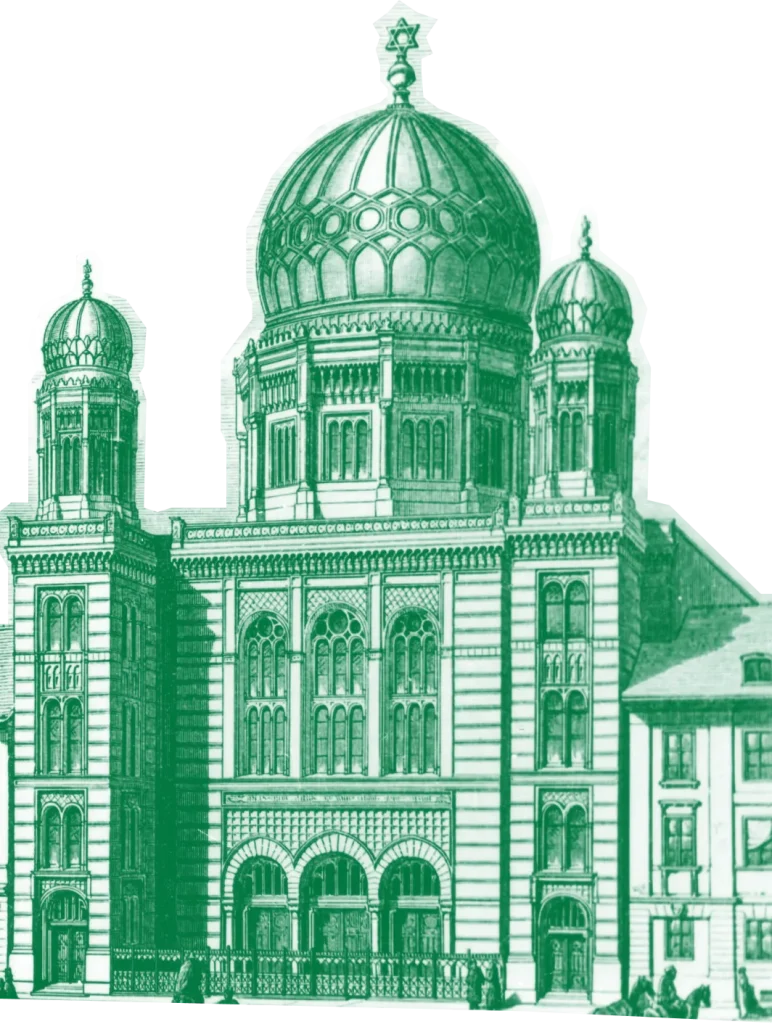
Although the Jewish share of the population never exceeded four to five percent of Berlin’s total population, Jewish life in the Spandauer Vorstadt was highly visible. From afar, the golden dome of the New Synagogue, inaugurated in 1866, could be recognized as a symbol of the Jewish community.
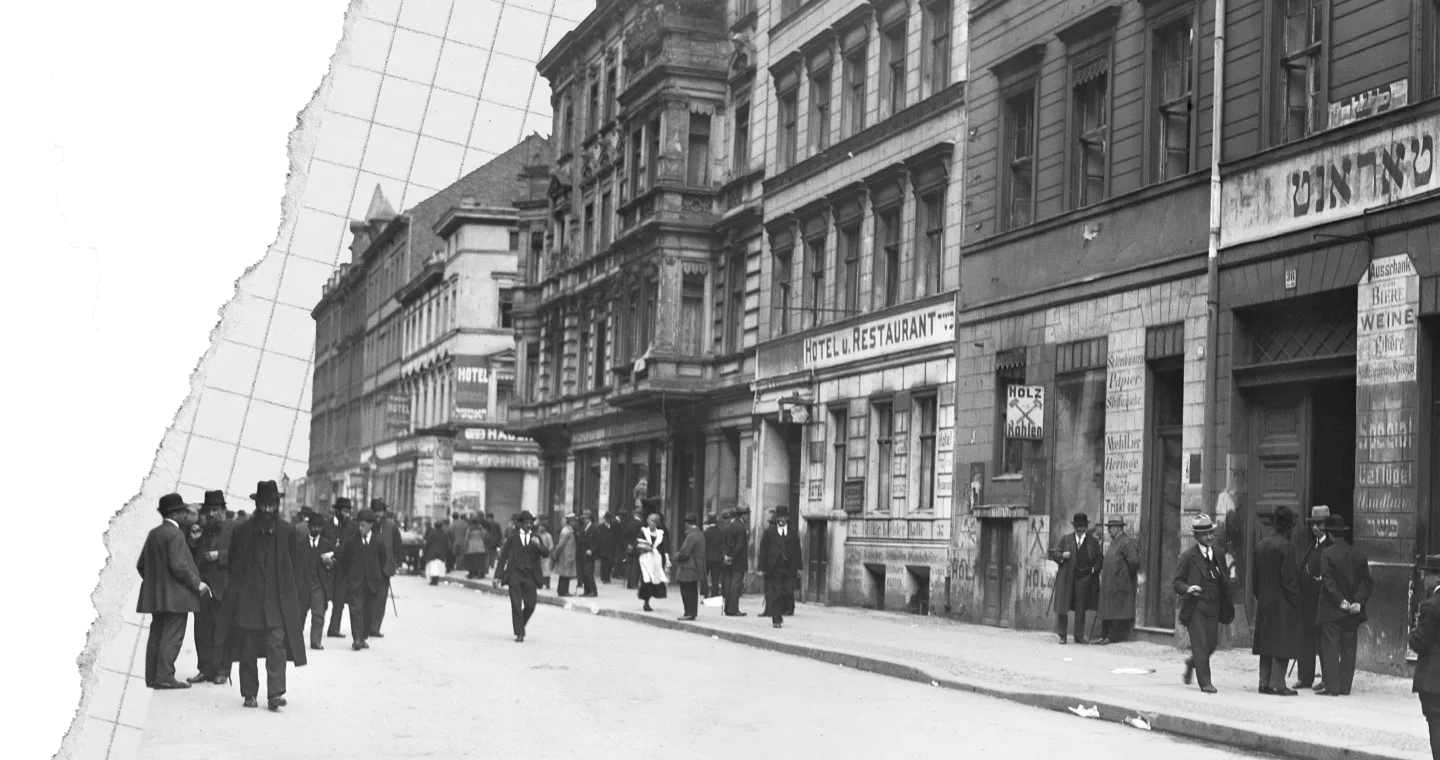
Grenadierstraße um 1920er. Quelle: bpk/Kunstbibliothek/SMB, Fotograf: Willy Römer
The so-called Scheunenviertel (Barn Quarter) is part of the eastern Spandauer Vorstadt, roughly around what is today the area of Rosa-Luxemburg-Platz and the surrounding streets. It emerged when, after several major city fires in the 17th century, it was decreed that all barns had to be located outside the city walls. As Berlin’s population increased, the area developed into a typical residential neighborhood.
At the turn of the 20th century, industrialization brought many workers to Berlin. Due to housing shortages, more and more people in the Scheunenviertel lived in cramped quarters and increasingly poor sanitary conditions. However, because of comparatively low rents, the area remained attractive to poorer residents and newcomers.
Migration of Jews from Eastern Europe
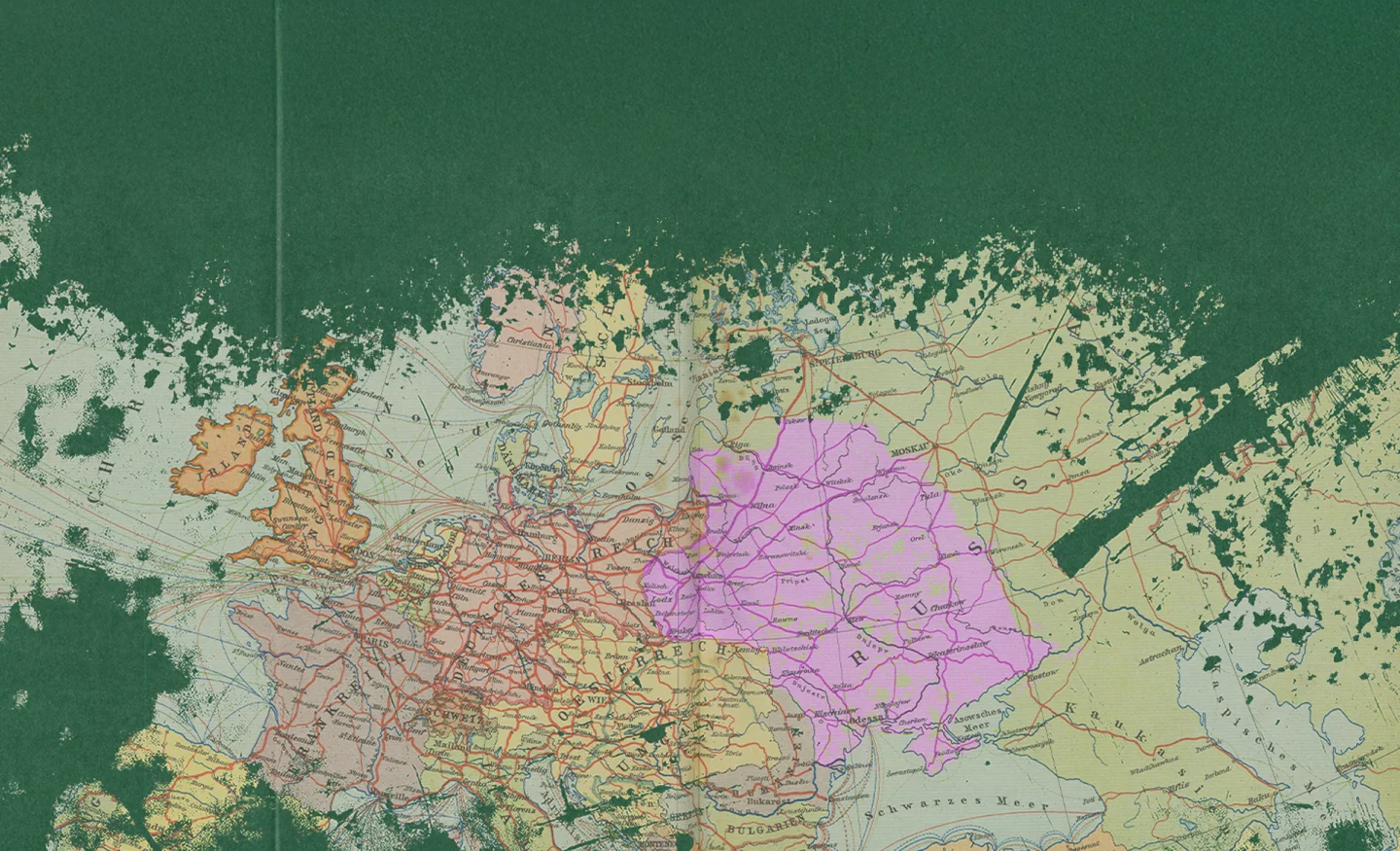
Most Eastern European Jewish migrants intended to travel on to the United States, which required them to pass through Germany — often through Berlin.
From 1881 into the 1920s, a wave of anti-Jewish pogroms in the Russian Empire forced many Jews to leave Eastern Europe. Young Jewish students, who were barred from university study by discriminatory laws, also enrolled at German universities.
Some stayed and settled in the Scheunenviertel. When sea routes to the U.S. were closed during World War I, the number of Eastern European Jews in Germany increased.
Still, they remained a minority within a minority: of the roughly 180,000 Jews living in Berlin in the mid-1920s, at most 50,000 came from Eastern Europe. Berlin’s overall population was four million.
The relationship between Germans and Eastern European Jews
Despite many obstacles, German Jews had integrated successfully. Their native language was German, and the forms of Jewish religious practice they observed were both influenced by and adapted to German society.
Eastern European Jews, by contrast, brought different religious customs and languages with them. Many German Jews feared that the arrival of foreign Jewish migrants would lead to increased antisemitism among the non-Jewish majority. There were also widespread prejudices against Eastern European Jews: that they were culturally backward, overly religious, or politically radical. Many failed to recognize that Eastern European Jews also had very diverse ways of life.
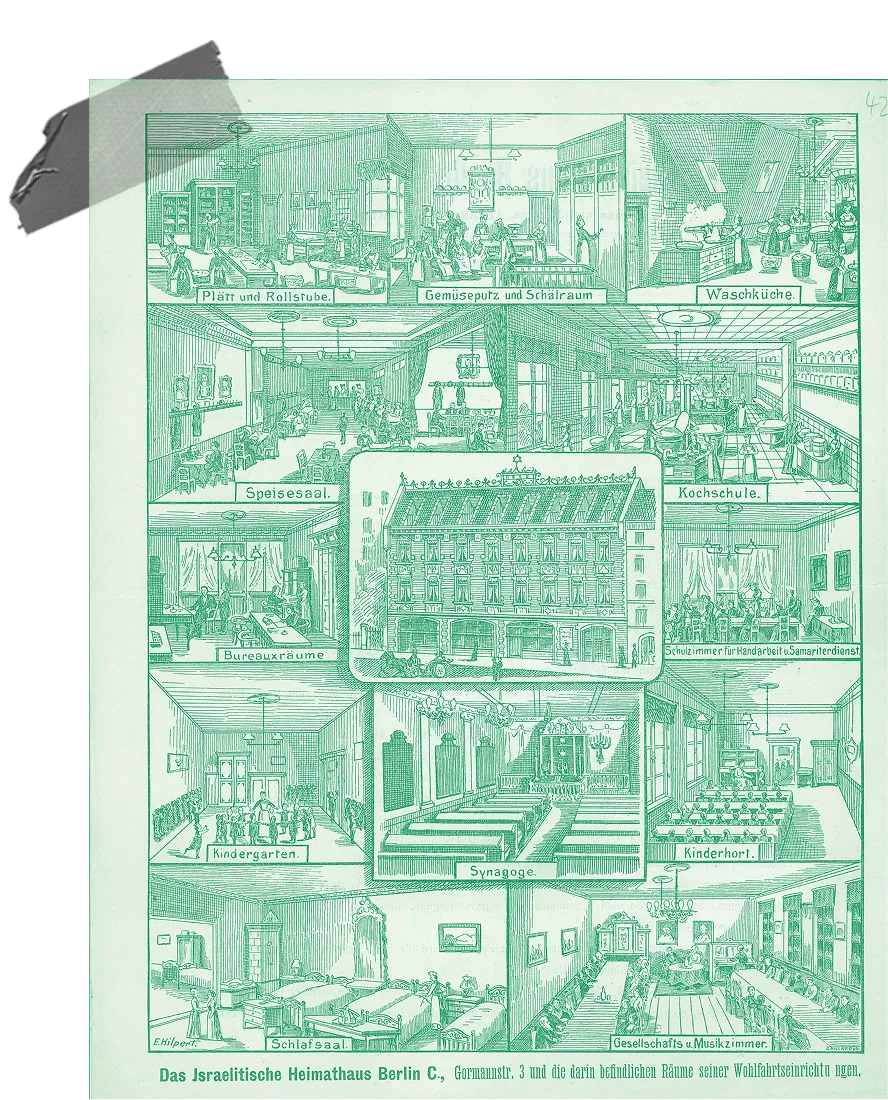
On the other hand, some German Jews admired their Eastern European coreligionists for preserving their culture, language, and traditions . The Jewish Community also organized social aid through numerous welfare organizations to assist Eastern European Jews who lacked German citizenship.
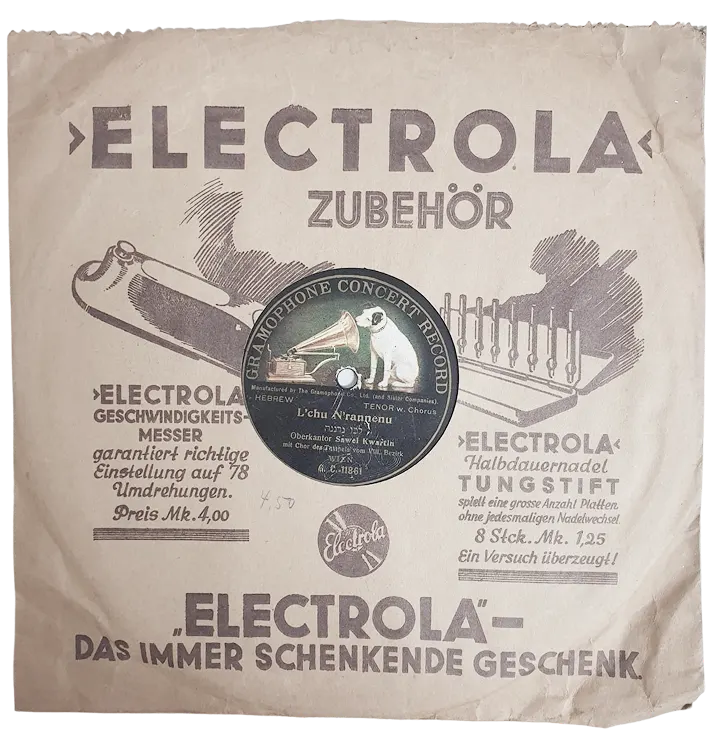
All things considered, the 1920s were a time of flourishing for many Jewish institutions in the Spandauer Vorstadt and the Scheunenviertel. Up into the 1930s, they established numerous institutions in these neighborhoods, including hospitals, schools, synagogues, publishing houses, rabbinical seminaries, political associations, sports and language clubs, welfare organizations, theaters, and restaurants.
EXPLORE THE CITY MAP
Manage Cookie Consent
We use cookies to optimize our website and our service.
Functional
Always active
The technical storage or access is strictly necessary for the legitimate purpose of enabling the use of a specific service explicitly requested by the subscriber or user, or for the sole purpose of carrying out the transmission of a communication over an electronic communications network.
Preferences
The technical storage or access is necessary for the legitimate purpose of storing preferences that are not requested by the subscriber or user.
Statistics
The technical storage or access that is used exclusively for statistical purposes.The technical storage or access that is used exclusively for anonymous statistical purposes. Without a subpoena, voluntary compliance on the part of your Internet Service Provider, or additional records from a third party, information stored or retrieved for this purpose alone cannot usually be used to identify you.
Marketing
The technical storage or access is required to create user profiles to send advertising, or to track the user on a website or across several websites for similar marketing purposes.